


 Send Inquiry
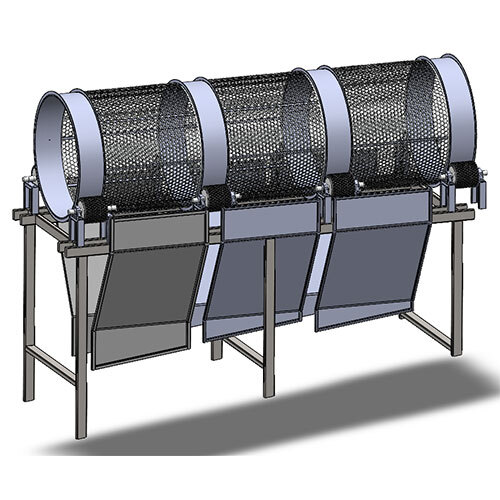
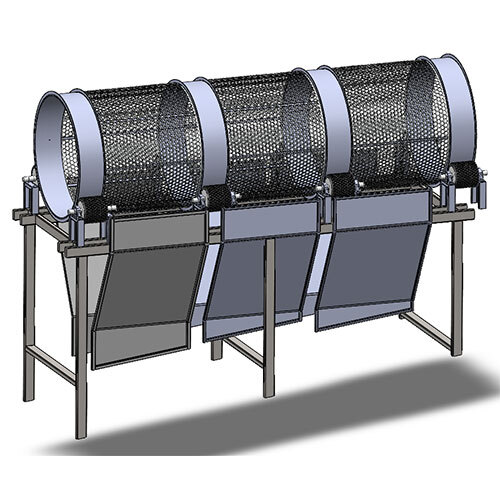
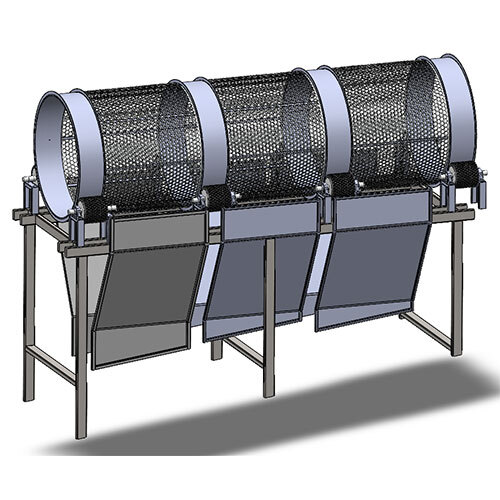
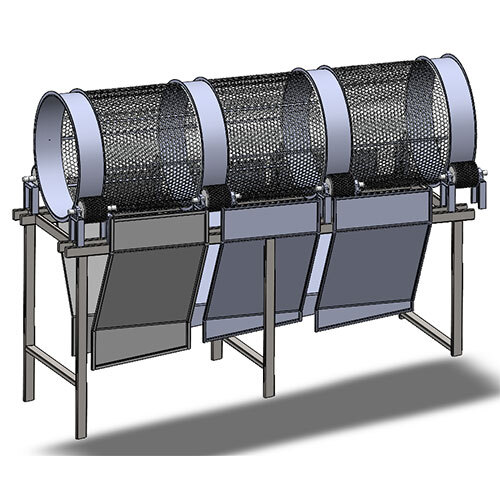
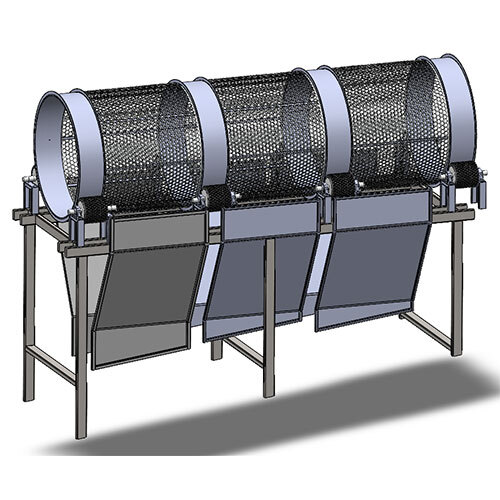
Traw Mill
Price 1500000.0 INR/ Unit
MOQ : 1 Unit
Traw Mill Specification
- Product Type
- Traw Mill
- General Use
- Industrial
- Material
- Stainless Steel
- Computerized
- No
- Automatic
- Yes
- Voltage
- 220-440 Volt (v)
- Warranty
- 1 Year
Traw Mill Trade Information
- Minimum Order Quantity
- 1 Unit
- Supply Ability
- 10 Units Per Month
- Delivery Time
- 5 Days
Traw Mill About
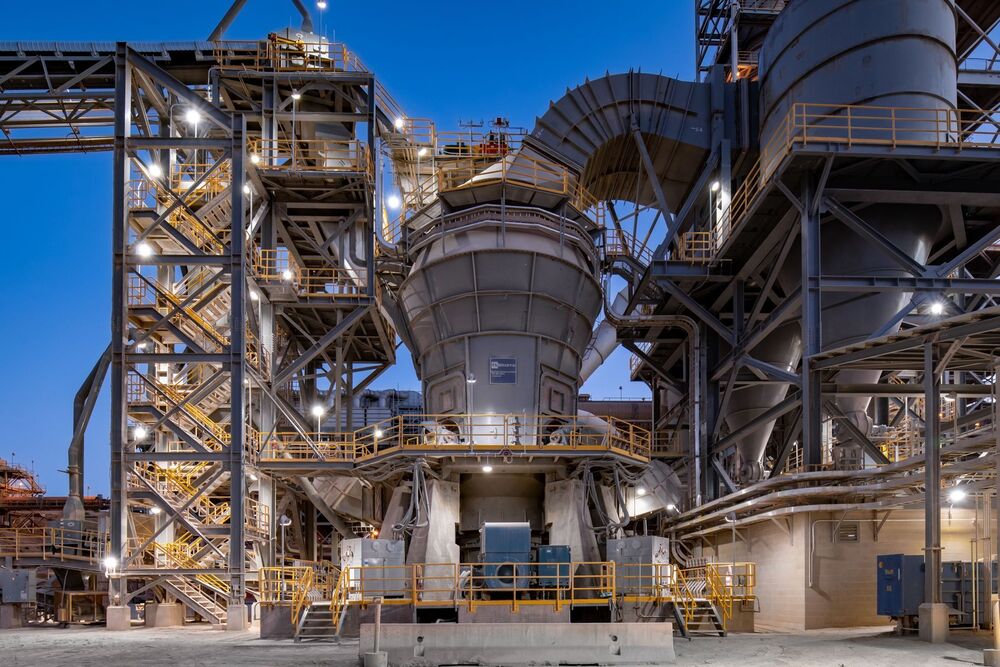
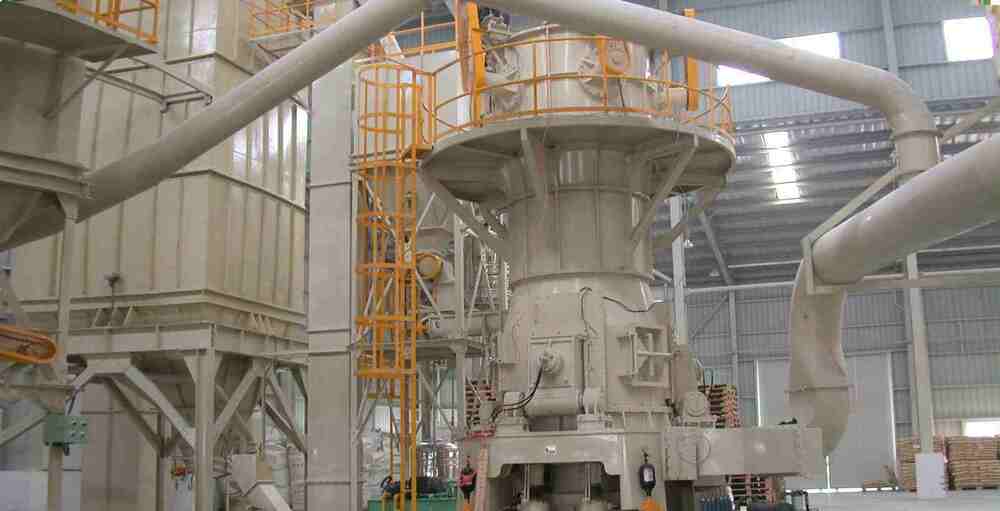
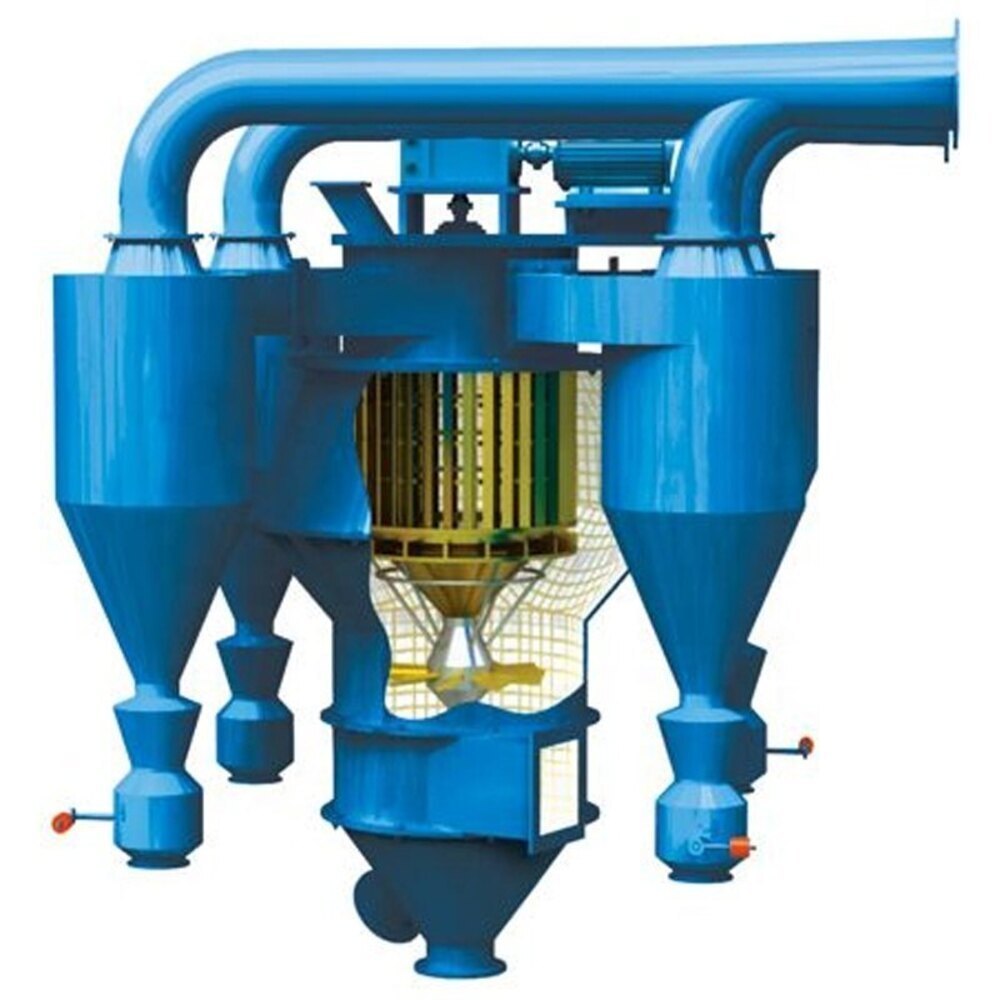
A "raw mill" (often misspelled or typed as "traw mill") is an industrial grinding machine used primarily in the cement manufacturing industry. Its purpose is to crush and grind raw materialslike limestone, silica, clay, and iron oreinto a fine, uniform powder known as "raw meal," which is then fed into a kiln to produce cement clinkerThe raw mill takes raw materials (usually about 0 to 40 mm in size) and simultaneously grinds, crushes, and dries them into a highly fine powder. There are two main types of raw mills utilized in cement production:
- Vertical Roller Mills (VRM): These dominate the modern market. They work by dropping raw materials onto a heavy, rotating table where hydraulic rollers crush and shear the material through pressure. Hot gases are pushed up from the bottom of the mill to dry the material and carry it to a built-in separator.
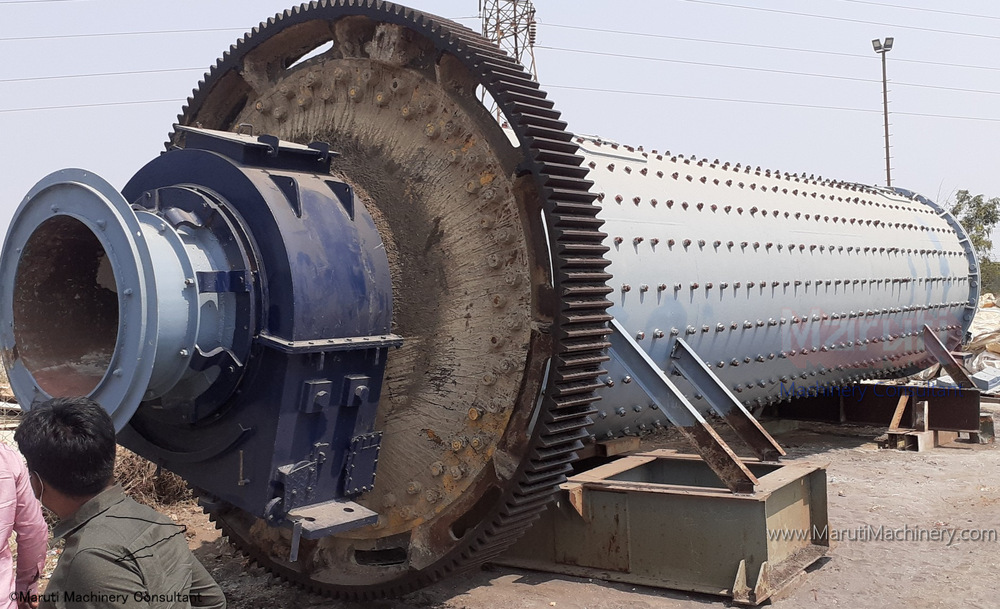
- Ball Mills (Tube Mills): A traditional cylindrical system filled with steel balls. As the cylinder rotates, the balls are carried to the top and dropped, crushing the material upon impact
Durable Stainless Steel Construction
The Traw Mill is built with premium stainless steel, which not only enhances its longevity but also ensures resistance to corrosion and wear. This makes it ideal for industrial environments where heavy usage and exposure to various substances are common.
Automatic Operation for Efficiency
Featuring automatic functionality, the Traw Mill optimizes productivity by significantly reducing manual labor. This automation allows for faster and more consistent processing, contributing to higher efficiency in industrial workflows.
Versatile Voltage Compatibility
The Traw Mill is engineered to operate seamlessly with a voltage range of 220-440V. This wide compatibility ensures adaptability to various electrical standards across industrial facilities in India, simplifying installation and integration.
FAQ's of Traw Mill:
Q: How is the Traw Mill operated in an industrial setting?
A: The Traw Mill operates automatically, requiring only initial setup and periodic monitoring. Once started, the machine processes materials with minimal manual intervention, making it suitable for continuous industrial workflows.Q: What materials can the Traw Mill process effectively?
A: Constructed from stainless steel, the Traw Mill is capable of handling a variety of industrial materials, including corrosive substances, without compromising durability or cleanliness.Q: When should regular maintenance be performed on the Traw Mill?
A: It is advisable to conduct routine inspections and maintenance based on your usage intensity, typically every few months. This helps ensure optimal performance and prolongs the machine's operational life.Q: Where is the Traw Mill primarily manufactured and supplied?
A: The Traw Mill is manufactured and supplied by established producers in India, known for providing quality industrial machinery to both domestic and international markets.Q: What is the process for setting up the Traw Mill at a facility?
A: Setting up the Traw Mill involves connecting it to a compatible 220-440V electrical supply, ensuring a stable base, and performing initial calibration according to operational guidelines provided by the manufacturer.Q: How does the automatic feature benefit industrial users?
A: The automatic operation reduces the need for direct supervision and manual handling, increasing efficiency, lowering labor costs, and enabling consistent, high-quality output in industrial processes.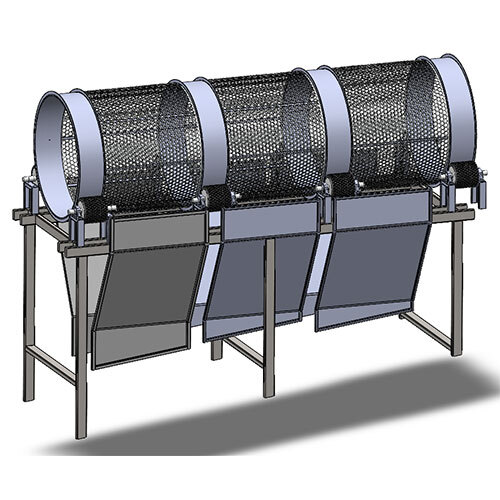
Tell us about your requirement

Price:
Quantity
Select Unit
- 50
- 100
- 200
- 250
- 500
- 1000+
Additional detail
Mobile number
Email


SHREDDER SOLUTIONS PRIVATE LIMITED
GST : 06ABLCS4382A1ZE

Mr. Amit Narang
(Managing Director)
Mobile : 07971670764

 Send Inquiry
Quick Link

Developed and Managed by Infocom Network Private Limited.


